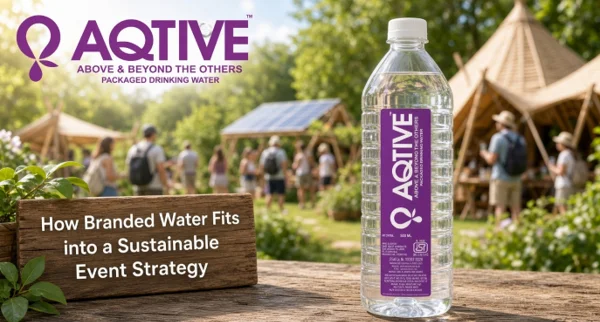
Branded water can be a practical part of a sustainable event strategy when it is planned deliberately. Rather than treating every bottle as an unavoidable giveaway, event organizers can use customized water selectively, pair it with refill infrastructure, and measure how much is actually consumed. The goal is not simply to place a logo on packaging; it is to deliver hydration conveniently while reducing unnecessary waste.
Sustainable event guidance consistently emphasizes reducing single-use items, providing accessible water-refill points, and encouraging attendees to bring reusable bottles. The United Nations Development Programmed, for example, recommends eliminating single-use bottles and cups where possible and encouraging participants to refill their own containers. Many public-event guides similarly recommend water stations, refillable jugs, and reusable cups as alternatives to individually packaged bottled water.
Start with a hydration plan
Before ordering branded water, map the event’s hydration needs. Consider the number of attendees, event duration, weather, venue layout, physical activity, and whether food and other beverages will be served. A half-day indoor conference has very different requirements from an outdoor sports event or a multi-day conference.
Create separate hydration options rather than relying on one format. A sensible model may include filtered-water stations for general use, reusable cups or attendee-owned bottles, and a limited quantity of branded bottled water for high-value moments such as speaker gifts, VIP welcome packs, registration desks, or off-site transfers.
This approach preserves the branding benefit of custom water while avoiding the waste associated with placing a bottle at every seat. It also gives attendees choice: those who arrive with a reusable bottle can refill it, while others can take a labelled bottle when it is genuinely useful.
Use branded water strategically
Branded water works best when it has a clear purpose. A bottle handed to a delegate at check-in can reinforce a welcoming first impression. A personalized bottle in a speaker kit can feel considered and premium. Water placed in shuttle vehicles, breakout rooms, or outdoor activity zones can solve a real convenience problem.
Avoid using branded bottles as default table décor or automatically stocking every meeting room. Instead, ask the venue and catering team where water is most likely to be picked up, and allocate quantities accordingly. This small planning step can prevent large volumes of unused stock at the end of the event.
Labels can also support the sustainability message. A simple line such as “Please refill before recycling” or a QR code linking to the event’s sustainability page can turn the bottle into a gentle reminder rather than a contradiction.
Choose materials responsibly
Sustainability is not only about whether a bottle exists; it also includes the material, label, cap, transport, and end-of-life pathway. Ask suppliers about recyclable bottle materials, water-based or low-impact inks, minimal label coverage, and packaging used during delivery.
Ensure that recycling is easy at the venue. Clear, visible recycling bins should be placed near exits, food areas, and hydration stations. Attendees should also be encouraged to empty containers before disposal, since leftover liquid can contaminate recycling streams.
For events with strong sustainability commitments, consider whether reusable branded bottles, glass bottles, cartons, or bulk dispensers better match the audience and venue. The most sustainable option is often the one that reduces packaging altogether, especially where refill facilities are readily available.
Coordinate with the venue
Venue considerations can make or break a sustainable hydration plan. Confirm whether the venue permits external bottled water, has refill stations, provides recycling collection, and can store pallets safely before the event. Ask about access times for delivery, collection of leftovers, and whether the venue has its own sustainability rules.
Share the hydration plan with the venue operations team, caterer, cleaning contractor, and event staff. Everyone should know where bottles will be placed, how empties will be collected, and what should happen to unopened stock after the event.
Measure and improve
Treat branded water as part of the event’s waste data, not merely a marketing expense. Record the number of bottles ordered, distributed, returned unopened, and recycled. Track refill-station usage where possible and collect feedback from attendees and venue staff.
After the event, review the results. If hundreds of bottles remain unused, reduce the next order or shift more hydration to refill stations. If bottled water disappears quickly in outdoor areas but remains untouched in meeting rooms, adjust placement rather than increasing the overall quantity.
Branded water can fit comfortably into a sustainable event strategy when it is used with intention. By combining limited custom bottles with refill access, responsible materials, clear recycling, and post-event measurement, organizers can create a polished brand moment without turning hydration into avoidable waste.